
Isla del Rey
Isla del Rey is the untamed giant of the Pearl Islands. With an area of 234 km², it is not only the largest island in this volcanic group but the second largest in all of Panama, surpassed only by Coiba Island. Unlike busier neighboring islands, this destination preserves an atmosphere of genuine isolation, where mangroves intertwine with pristine light-sand beaches and turquoise waters. Its low hills, reaching 223 meters above sea level, offer a refuge for those looking to disconnect from the urban pace and immerse themselves in the purest nature of the Panamanian Pacific.
It was sighted by explorer Vasco Núñez de Balboa in 1513, who named it in honor of the Spanish monarchy, quickly making it the epicenter of the prosperous pearl extraction industry that gave the archipelago its name.
Its capital, the town of San Miguel, is a place where time seems to have stopped, allowing the traveler to appreciate traditional architecture and the warmth of a community that has made a living of artisanal fishing for generations.
Isla del Rey has many beaches perfect for disconnecting from the world and reconnecting with yourself. Not suitable to be alone as there are few trails that connect them with local towns and having a boat ready is always advisable.
Its coasts are critical nesting sites for various species of sea turtles, while frigates and pelicans nest in the dense tropical forests.
Between July and October, the surrounding waters transform into a natural nursery for humpback whales.


Contadora Island
Isla Contadora is the crown jewel of the Pearl Islands and the most sophisticated destination in the Gulf of Panama. Located about 80.5km (50 miles) from Panama City, this 1.39-square-kilometer island is famous for its 13 white-sand beaches and crystal clear waters that rival the Caribbean. Unlike other islands, Contadora offers developed tourist infrastructure with luxury villas, boutique hotels, and a unique dynamic where the primary transport is golf carts. It is the favorite meeting point for those seeking exclusivity, constant sun, and high-quality services in a privileged natural setting.
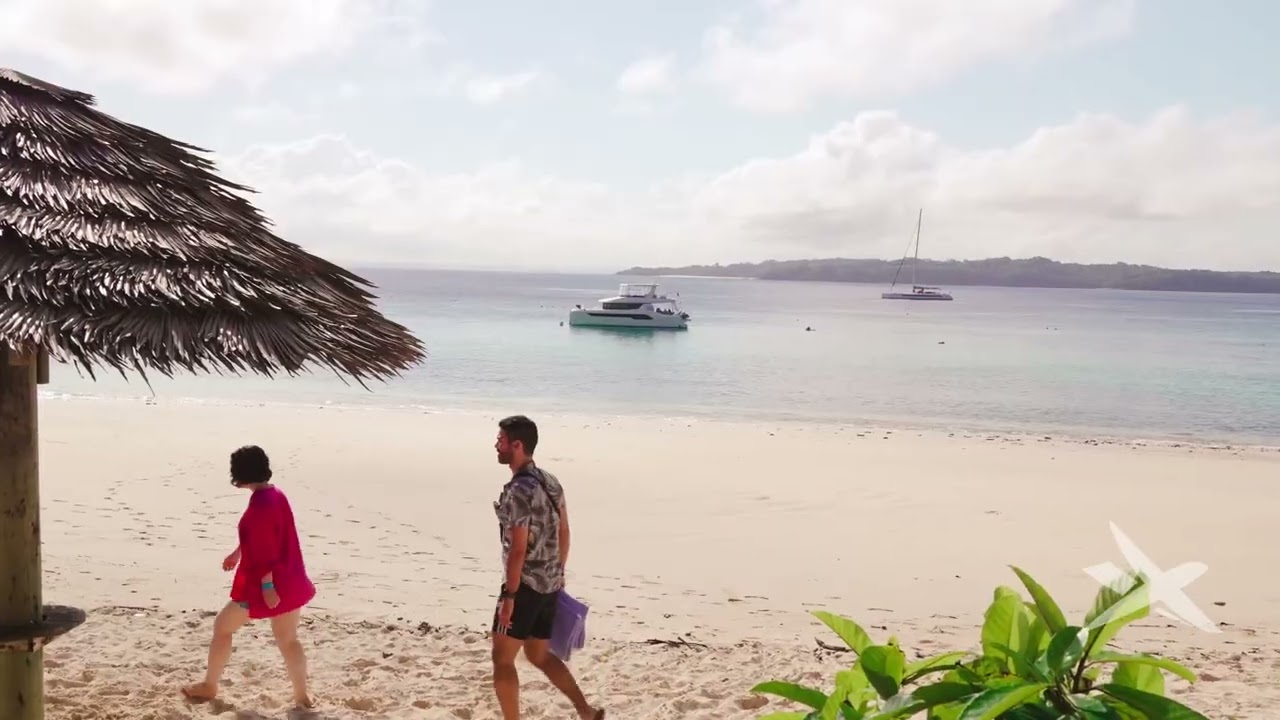

The island’s name carries a fascinating historical weight. During the Spanish colonial era, this was the site where conquistadors gathered to inventory and count the pearls extracted in the archipelago before being sent to Spain; hence the name “Contadora” (The Counter).
However, its international relevance didn’t stop there; the island hosted modern historical events, such as the exile of the Shah of Iran, Mohammad Reza Pahlavi, in 1979, and the Contadora Group meetings in the 1980s, which laid the groundwork for peace in Central America. This legacy makes the island much more than a beach destination; it is a place where global and local history is planned and developed under the shade of palm trees.


Charter flights and daypasses including Contadora Island
Pedro González Island
Isla Pedro González is the third-largest island in the Pearl Islands Archipelago, standing out for a geography that combines forested hills with crystal-clear coves. This destination has gained international relevance due to the creation of high-level infrastructure, including one of the most modern marinas in the Pacific and a private airport, facilitating access to this isolated paradise. With over 1,000 hectares of protected natural reserve, the island offers an environment of absolute privacy, where the murmur of the tropical jungle merges with the gentle waves of iconic beaches like Playa Don Bernardo and Playa Gringo, ideal for relaxation and marine exploration.
Beyond its contemporary tourist appeal, the island possesses extraordinary archaeological value, placing it as one of the oldest human settlements in the region. Scientific research at sites like Playa Don Bernardo has revealed remains of pre-Columbian cultures dating back more than 6,000 years, showing that its ancient inhabitants already practiced sophisticated fishing and marine species consumption. This historical legacy gives Pedro González a unique mysticism; walking its trails is to traverse lands that witnessed the first interactions between man and the sea on the Panamanian isthmus, long before the arrival of Spanish colonizers in search of pearls.


Private Charter Flight Panama City-Pedro González
Saboga
Isla Saboga is the best-kept secret for those seeking an authentic and serene experience in the Pearl Islands. Unlike its neighbor Contadora, Saboga maintains a low profile that seduces with its rugged topography and seven hidden coves, including Playa El Encanto and Playa Grande. With an area of approximately 3 square kilometers, this island is a labyrinth of trails through dry tropical forest, connecting emerald-colored beaches with cliffs that offer the best sunset views in the Gulf of Panama. It is the ideal destination for travelers who prefer the sound of leaves in the wind over the bustle of large resorts.
Saboga’s historical richness is palpable in its picturesque main village, where local culture remains vibrant and welcoming. The island is home to the Church of San Juan Evangelista, one of the oldest in the archipelago, serving as a reminder of the colonial past and the resilience of a community that has lived off the sea for centuries. Archaeological research has confirmed the island was inhabited by pre-Columbian cultures long before the Spaniards arrived and used these areas as logistical centers for the pearl industry. Today, walking its narrow streets is a lesson in living history, where artisanal fishing remains the engine of a population that proudly protects its legacy.


Pedro González Island
Isla Pedro González is the third-largest island in the Pearl Islands Archipelago, standing out for a geography that combines forested hills with crystal-clear coves. This destination has gained international relevance due to the creation of high-level infrastructure, including one of the most modern marinas in the Pacific and a private airport, facilitating access to this isolated paradise. With over 1,000 hectares of protected natural reserve, the island offers an environment of absolute privacy, where the murmur of the tropical jungle merges with the gentle waves of iconic beaches like Playa Don Bernardo and Playa Gringo, ideal for relaxation and marine exploration.
Beyond its contemporary tourist appeal, the island possesses extraordinary archaeological value, placing it as one of the oldest human settlements in the region. Scientific research at sites like Playa Don Bernardo has revealed remains of pre-Columbian cultures dating back more than 6,000 years, showing that its ancient inhabitants already practiced sophisticated fishing and marine species consumption. This historical legacy gives Pedro González a unique mysticism; walking its trails is to traverse lands that witnessed the first interactions between man and the sea on the Panamanian isthmus, long before the arrival of Spanish colonizers in search of pearls.
Private Charter Flight Panama City-Pedro González
San José
San José Island stands out as the second-largest island in the Pearl Islands Archipelago, spanning approximately 44 square kilometers. Unlike other islands in the area, its geography is predominantly private and characterized by a rugged coastline with over 50 beaches, featuring volcanic rock formations and sand ranging from golden to greyish tones. Its access infrastructure is among the most robust in the archipelago, boasting a private paved airstrip that allows twin-engine aircraft to arrive year-round.
The island’s fauna is one of its greatest assets, documented for its exceptional state of conservation. San José is home to a wild population of feral pigs and white-tailed deer, as well as a high density of green iguanas. However, the most distinctive biological feature is the presence of American crocodiles (*Crocodylus acutus*) inhabiting the mouths of its rivers and internal estuaries, reinforcing the wild and virgin character of this insular ecosystem compared to its more developed neighbors.
From a logistical and tourism perspective, the island has remained an enclave of extreme exclusivity and privacy. As a private property with restricted access, there is no mass tourism flow, allowing the surrounding waters to become a sanctuary for deep-sea sport fishing, with species like sailfish and marlin just a few miles offshore. It is a destination designed for the traveler seeking total isolation in an environment where nature has not been modified by traditional urbanism.


